.webp)
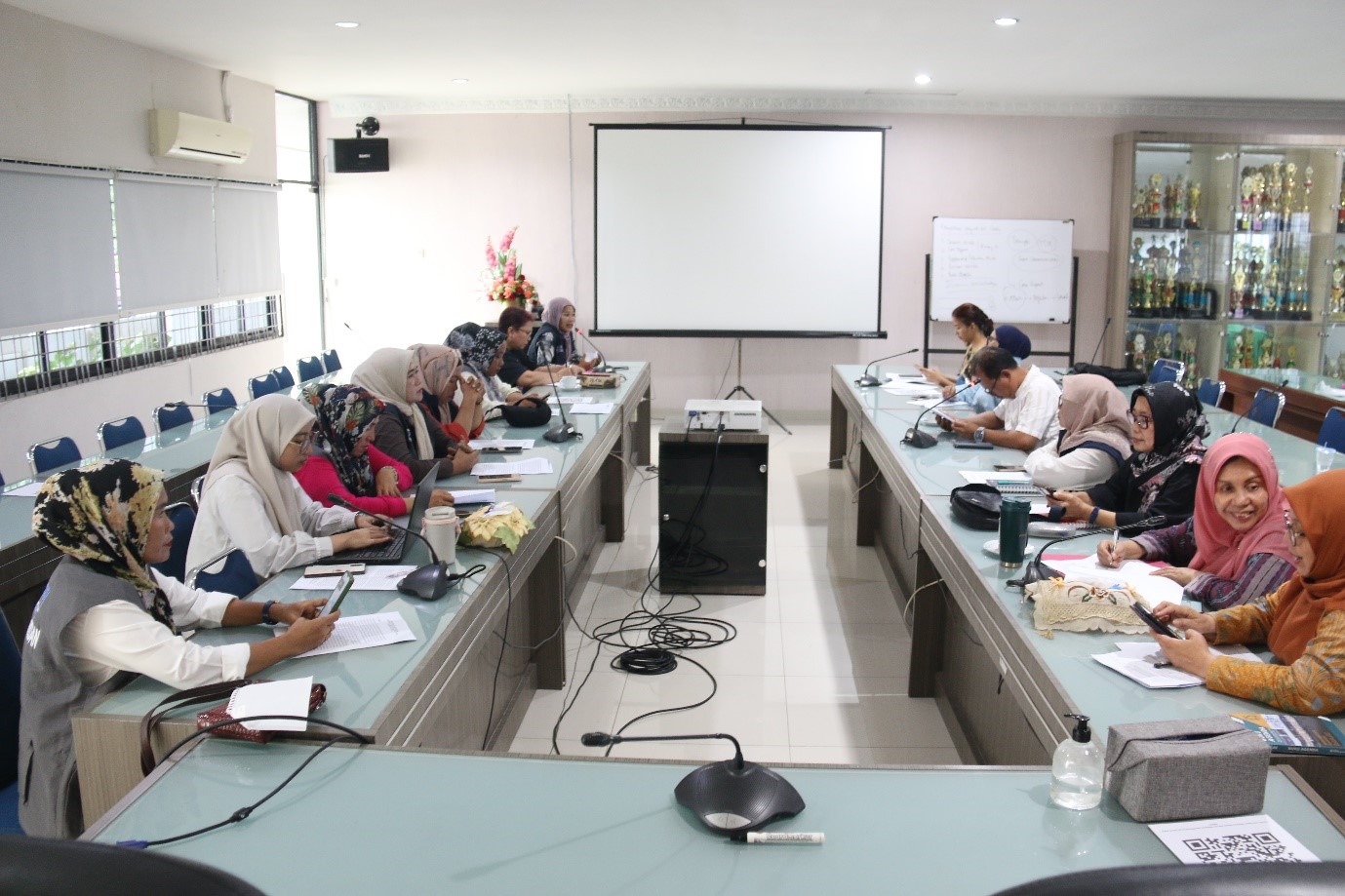
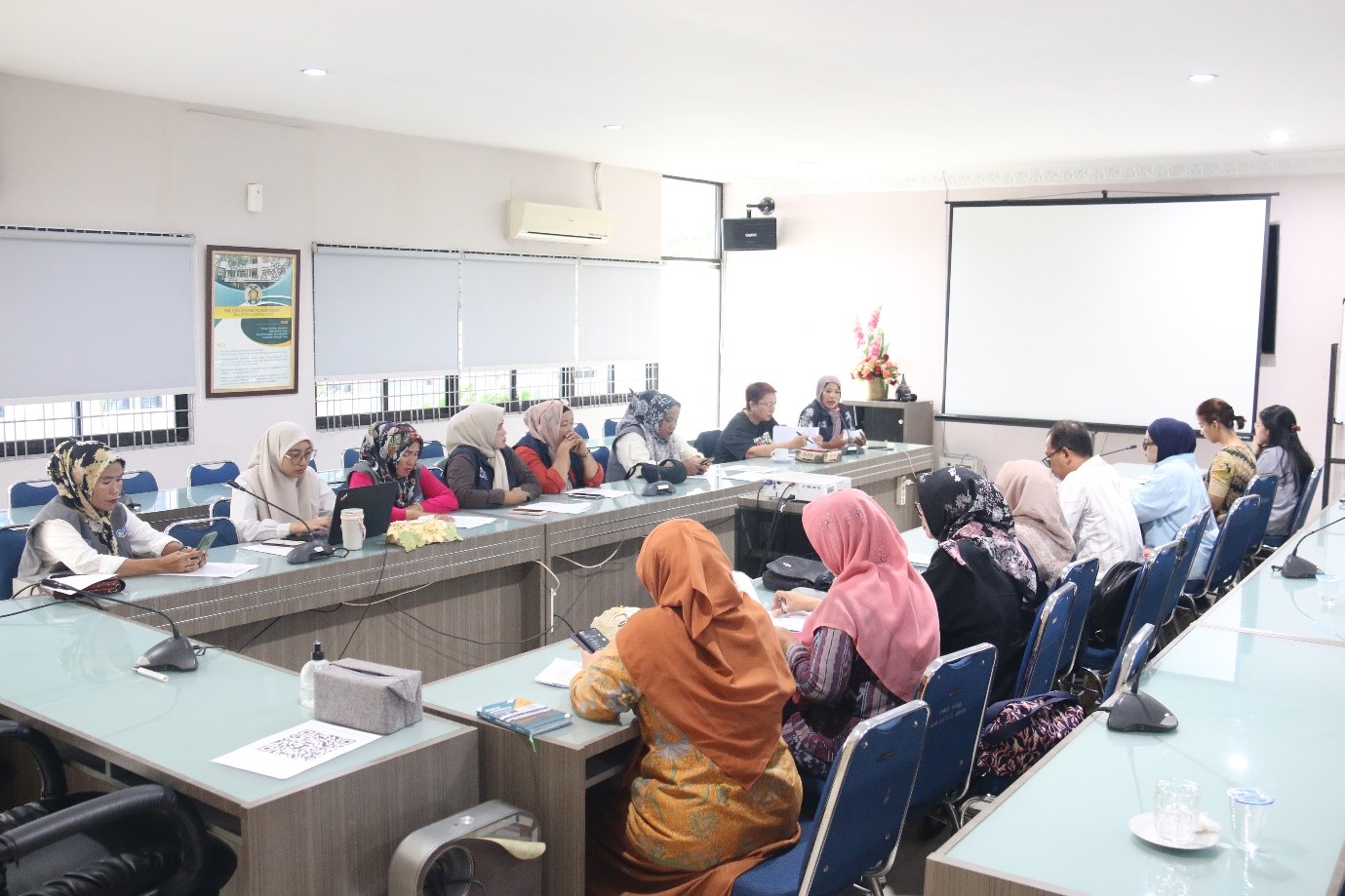
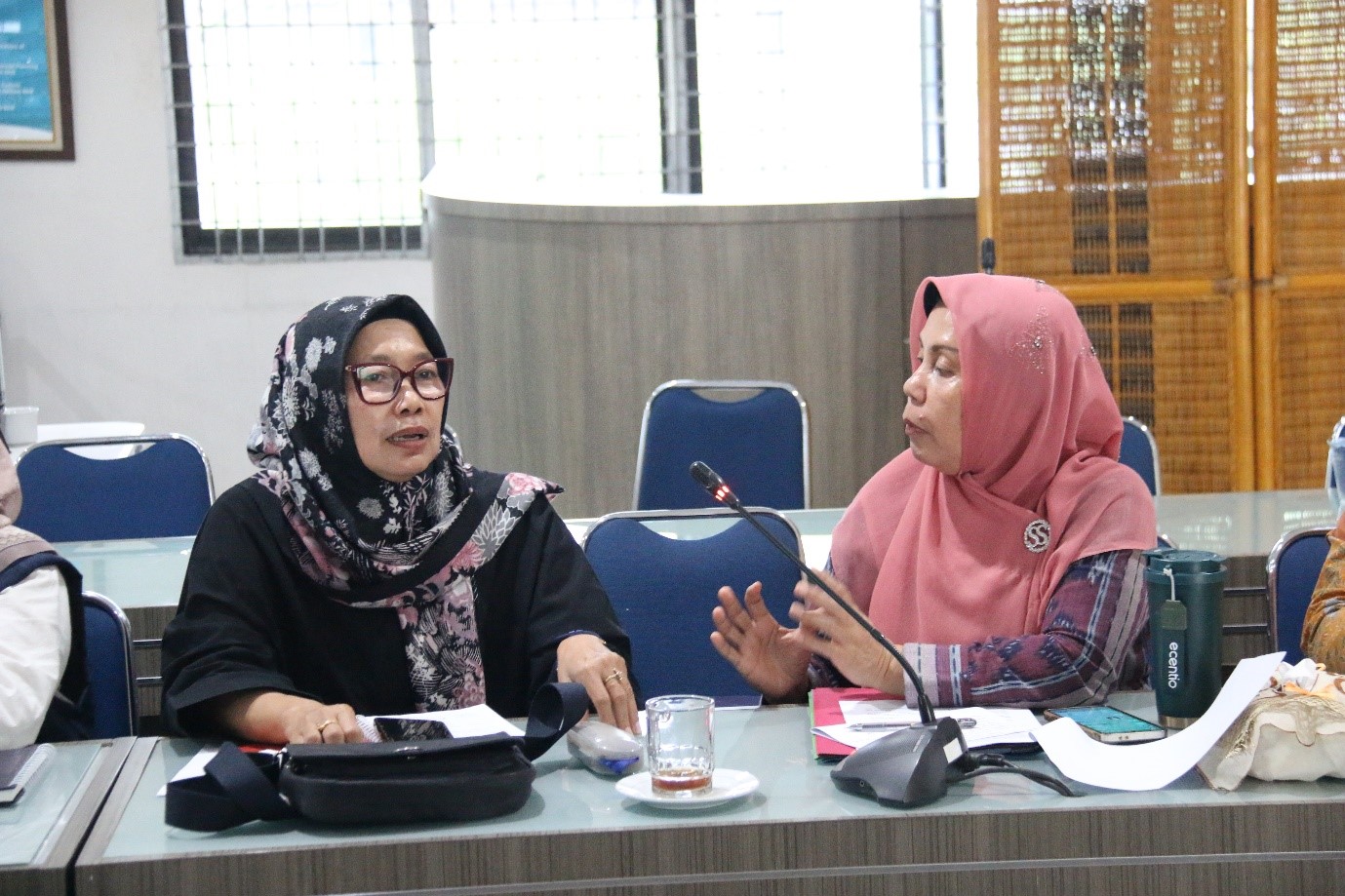
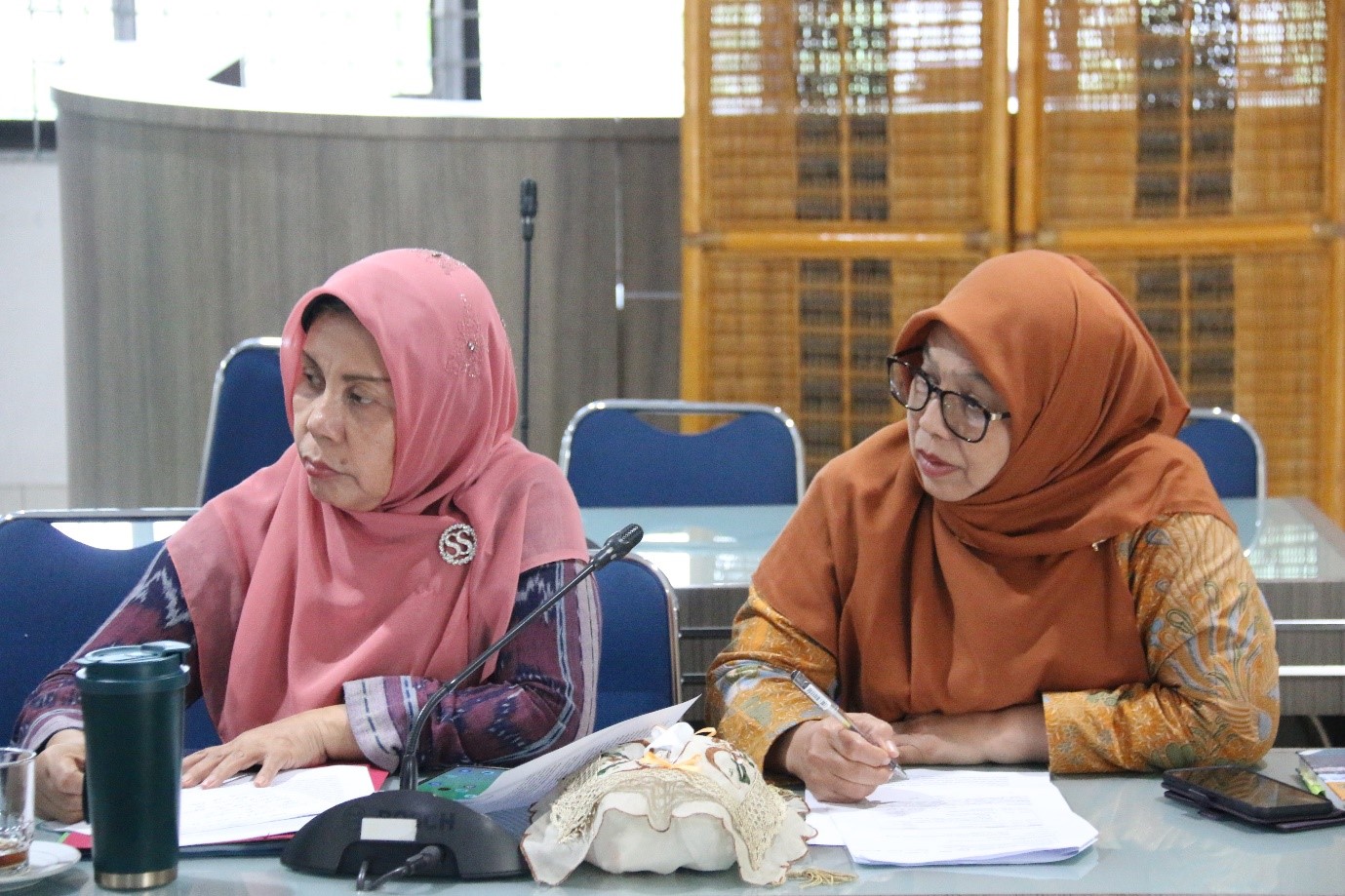
Medan – Faculty of Public Health, Universitas Sumatera Utara (FKM USU): In collaboration with civil society organisations (CSOs) within a regional coalition, FKM USU held a focus group discussion (FGD) to build and strengthen the coalition’s engagement in advocacy. The event took place in the second-floor meeting room of FKM USU on 20 October 2026. The forum addressed the clean water and sanitation needs of coastal communities and explored ways to strengthen coordination within the Sanitation and Clean Water Coalition (Kosasih), established in 2024. Participants included KPPI Medan, the PRIMA Coalition, FITRA North Sumatra, academics, journalists, women’s groups, and organisations of persons with disabilities. Nilawati, Chair of KPPI Medan, highlighted the difficulties faced by residents of Bagandeli, Medan Belawan District, in accessing clean water. Household expenditure on water ranges from IDR 150,000 to IDR 300,000 per month. Restoring non-operational boreholes was discussed as one possible solution, although funding remains a challenge. FKM USU representatives Sri Malem Indirawati and Syarifah called for detailed data collection on clean water needs, including the number of neighbourhoods and households, current water access conditions, and households that remain unserved. Mapping potential borehole sites and available land is necessary to support applications for assistance through participatory development planning forums and university community service programmes. FITRA North Sumatra emphasised the importance of budget oversight to ensure that programme benefits reach households. The coalition also planned to seek meetings with the local government and the Regional Development Planning Agency (Bappeda). Potential support through corporate social responsibility programmes was discussed, alongside the need to ensure that communities are prepared to manage contributions and maintain facilities. This advocacy aligns with Sustainable Development Goal (SDG) 3, Good Health and Well-being, by addressing health risks associated with environmental conditions; SDG 6, Clean Water and Sanitation, by promoting wider access and sustainable services; and SDG 17, Partnerships for the Goals, through collaboration among universities, civil society organisations, government, the media, and businesses. Strengthening the coalition is expected to help ensure that the needs of coastal communities, including women and persons with disabilities, receive due consideration in development planning.