.webp)
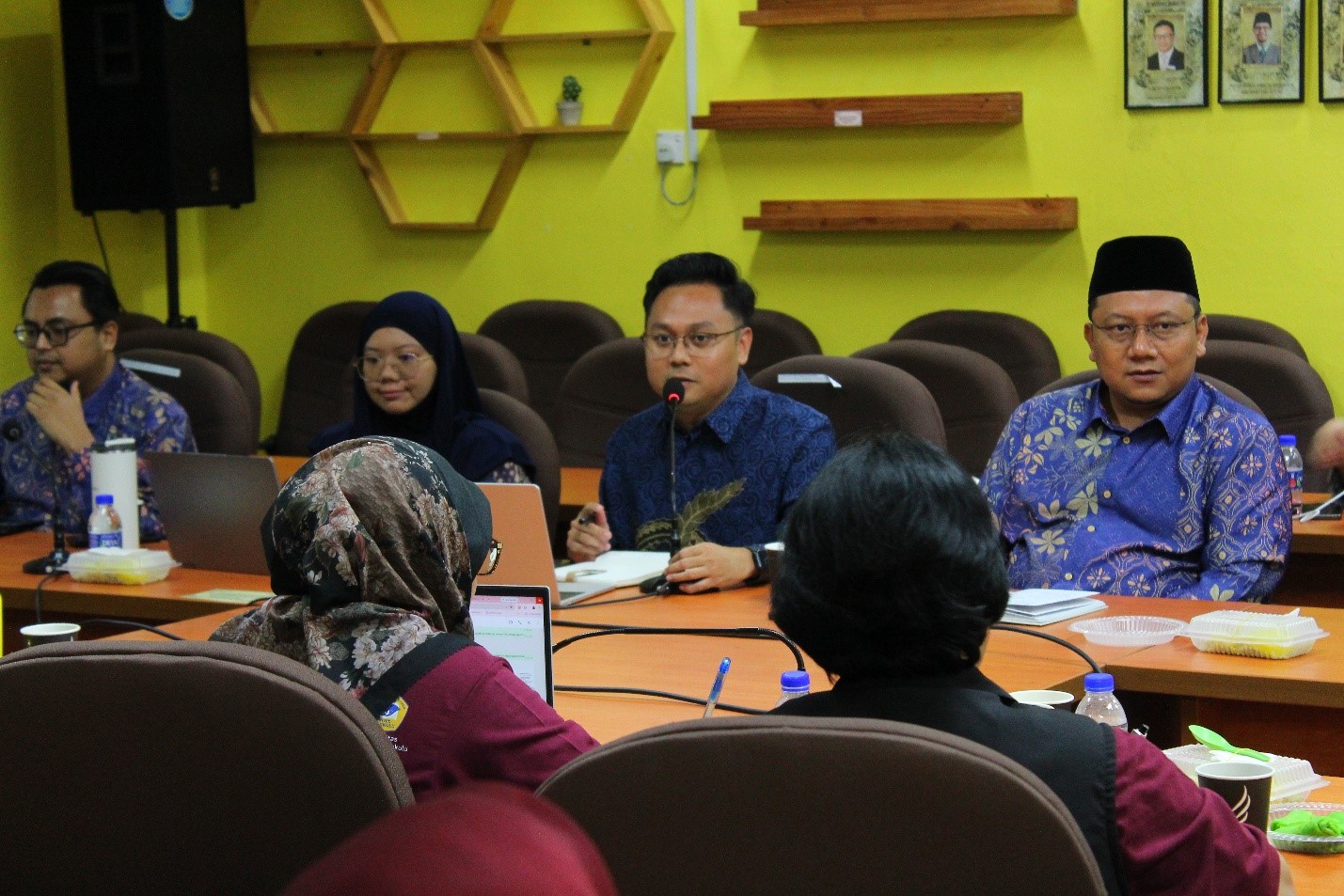
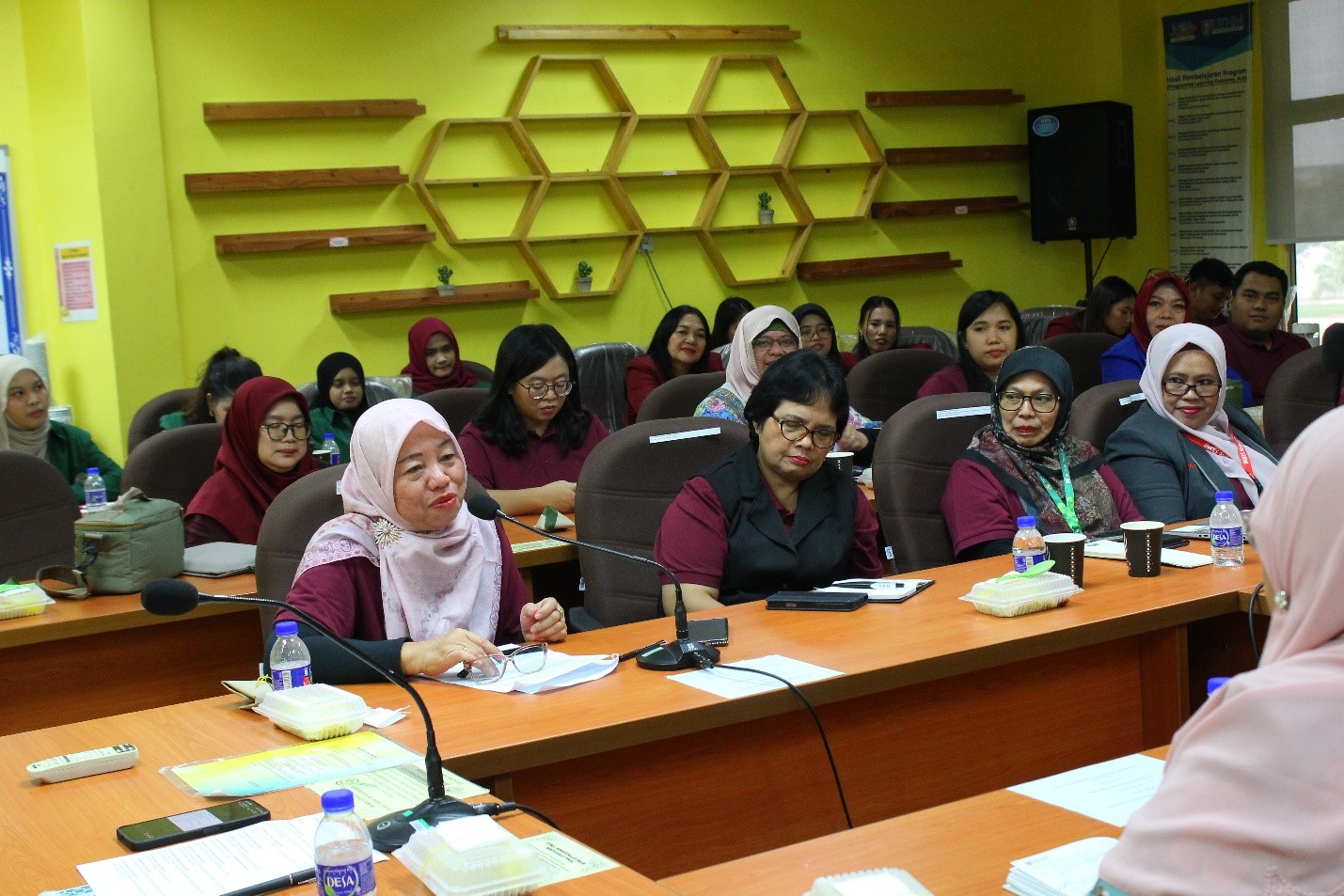
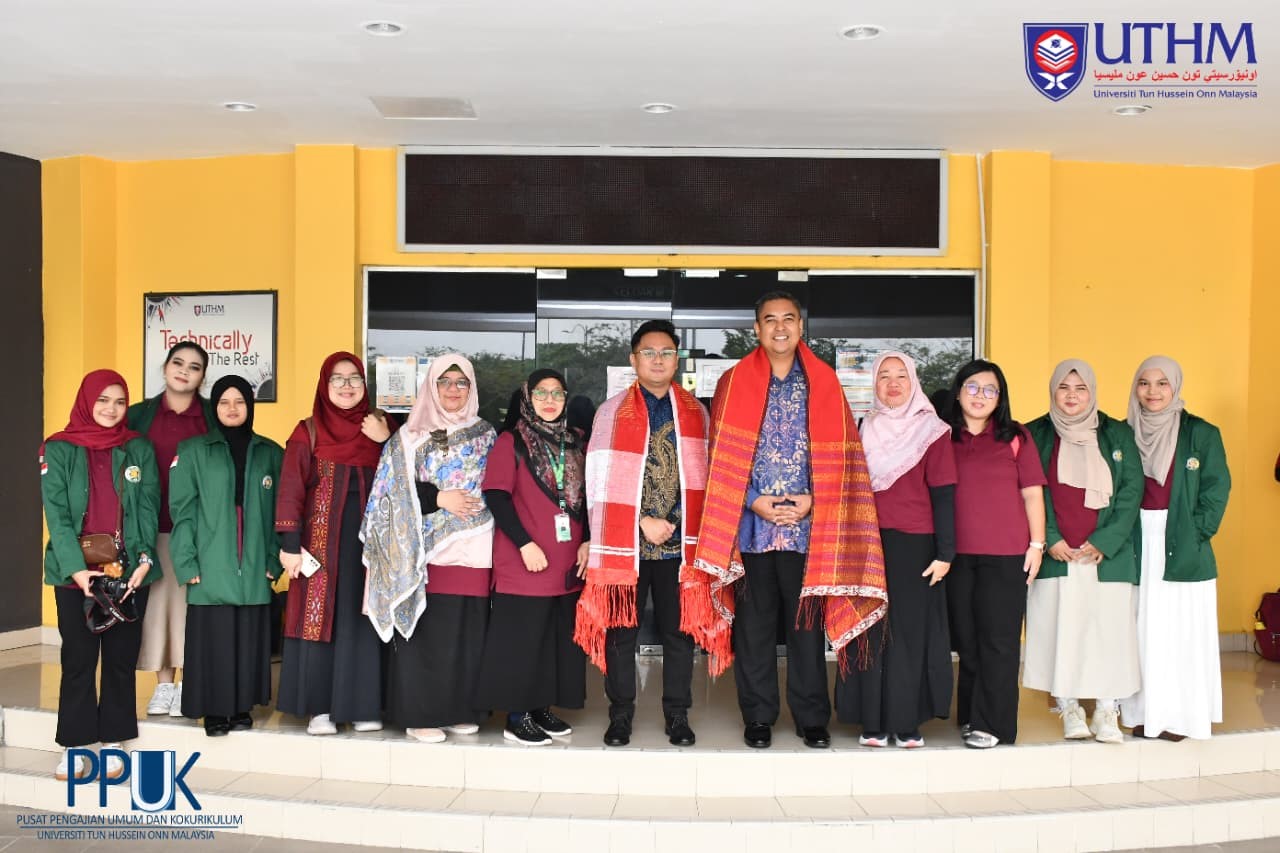
Batu Pahat, Johor, Malaysia – The Faculty of Public Health, Universitas Sumatera Utara (FKM USU) and the Centre for Studies and Curriculum (PPUK), Universiti Tun Hussein Onn Malaysia (UTHM), signed an Implementation Agreement (IA) and held discussions on the development of collaborative programmes as part of the FKM USU International Mobility programme at the UTHM campus, Batu Pahat, Johor, Malaysia, on 14 October 2026.
This event forms part of the two institutions’ efforts to foster sustainable institutional relations through targeted academic programmes, knowledge exchange, and the development of higher education’s three pillars of mission, involving the academic communities of both universities.
The FKM USU delegation was led by Dr Umi Salmah, whilst the PPUK UTHM delegation was led by Dr Zahrul Akmal bin Damim. The meeting took place in a spirit of dialogue, discussing various opportunities for cooperation that could be developed in line with the academic fields, areas of expertise, and needs of each institution. The event also involved members of the Association of Indonesian Higher Education Institutions in Public Health (AIPTKMI), namely the North Sumatra Health Institute, Efarina University, and Dehasen University.
The signing of the MoU marked an important step in supporting the implementation of more concrete cooperation. During the cooperation discussion session, both parties also discussed opportunities for organising joint academic activities, developing a collaborative research agenda, and expanding student involvement in cross-institutional activities.
This activity is a part of series of International Mobility activities organised by the USU Faculty of Public Health at UTHM also included academic sessions such as an International Public Lecture and a Postgraduate Student Colloquium, as well as a Community Service Activity within the Javanese community in Kampung Parit Jelutong, Johor. These activities support the achievement of SDG 4 on Quality Education, as well as SDG 17 on Partnerships for the Goals. Furthermore, they support the internationalisation of higher education through the strengthening of institutional networks, academic mobility, and the development of collaborative programmes that provide direct benefits to the community.